PE
Curriculum Intent
The Physical Education (PE) curriculum at Weavers Academy is designed to provide a broad and balanced experience across Key Stages 3, 4 and 5, ensuring that every student can access meaningful, enjoyable and challenging physical activity. The programme is built on the belief that all students can succeed in PE, and therefore lessons are structured to promote full participation, high Productivity, and opportunities for personal growth.
In Key Stage 3, students follow a structured programme that introduces them to a wide range of physical activities and fundamental skills. This foundation prepares them for greater Independence in Key Stage 4, where students have increased choice in the activities they participate in. This element of choice is deliberately designed to foster ownership of learning, confidence and intrinsic motivation. Students at Key Stage 4 can also opt to study GCSE PE, following the Edexcel specification, or pursue the NCFE course delivered through Pearson’s. These pathways provide academic challenge alongside practical development and allow students to explore sport in greater depth.
Central to the department’s ethos is the commitment to “Personal Excellence,” which encourages pupils to continually strive for improvement across practical performance, leadership and theoretical understanding. The use of PRIDE values helps embed a culture of Respect, Engagement, resilience and ambition, supporting students to achieve their ‘Personal Best’ in all areas of the PE curriculum. Through this approach, students learn not only physical skills but also essential character attributes, including teamwork, self‑management and Determination, all of which prepare them for life beyond school.
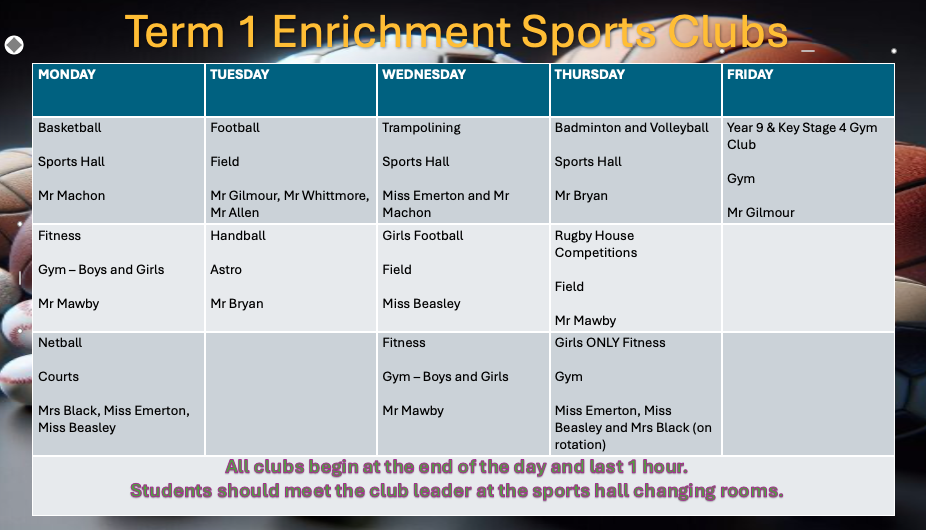
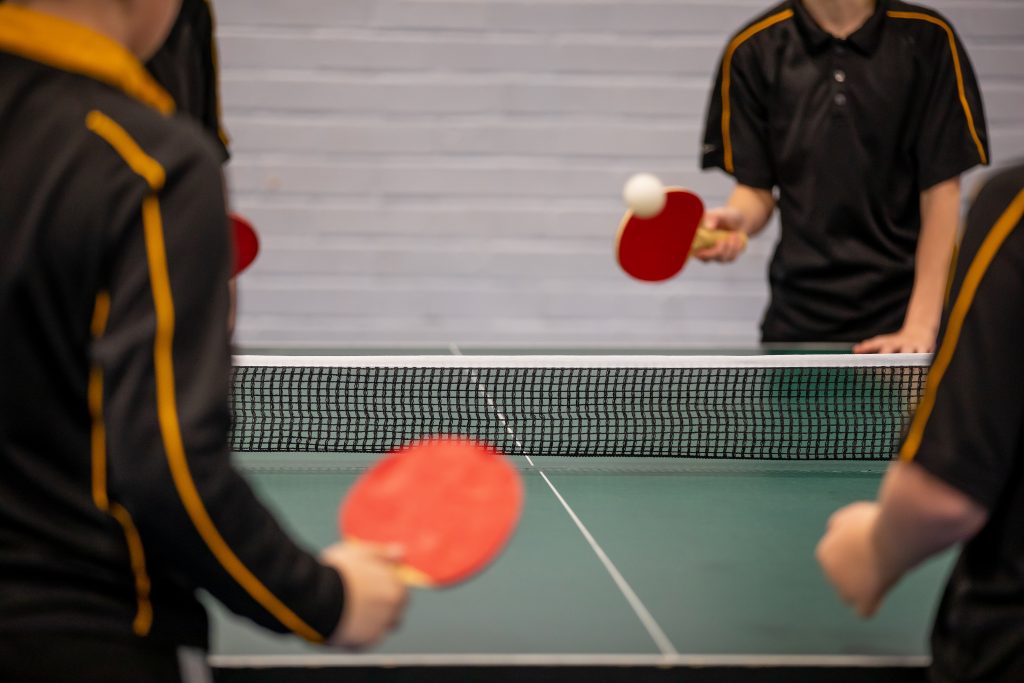
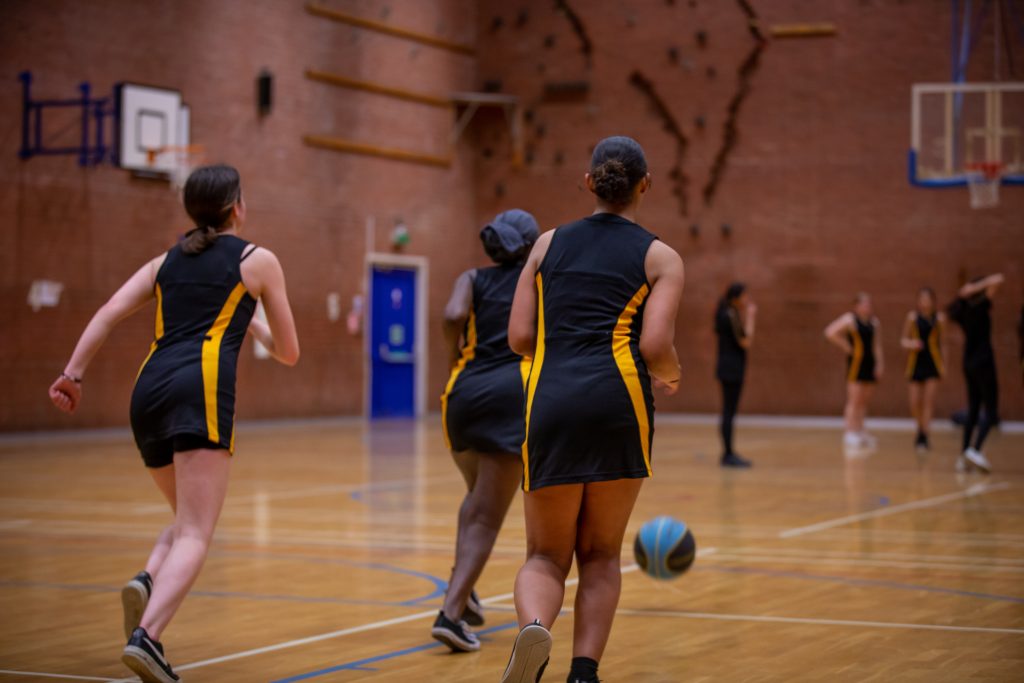
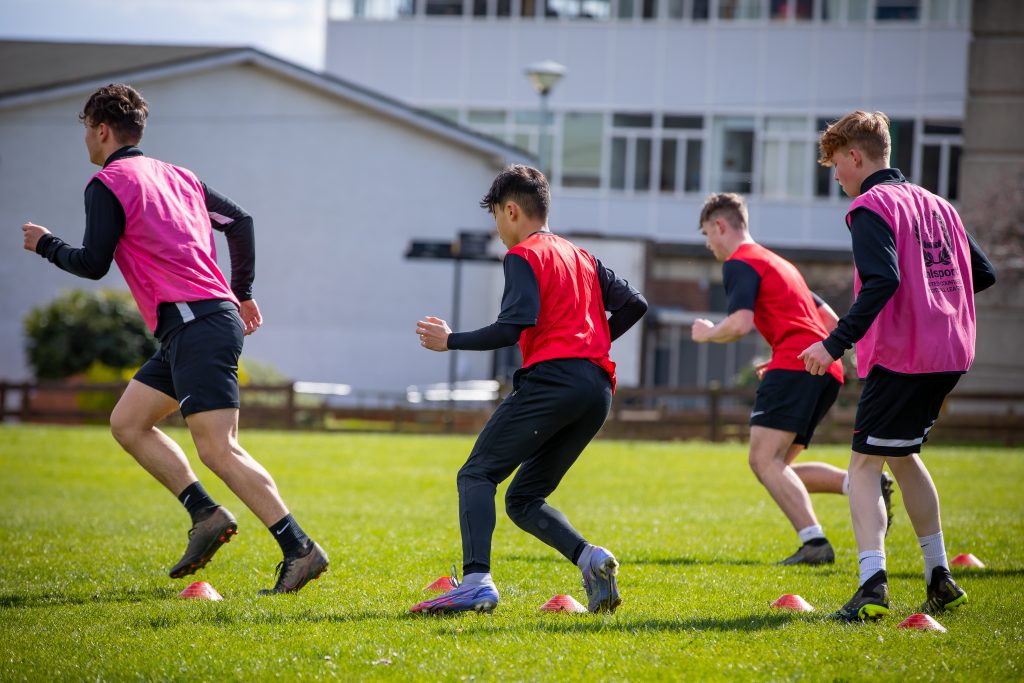
To enhance curriculum learning, the department offers an extensive extra‑curricular programme for both boys and girls. Activities include football, netball, rugby, basketball, athletics, rounders, table tennis and health‑related fitness. These clubs provide additional opportunities for skill development, competition and social interaction. Students who show particular talent are encouraged to join local clubs or are nominated for district, county or higher‑level teams, ensuring that gifted individuals are supported in reaching their full potential.
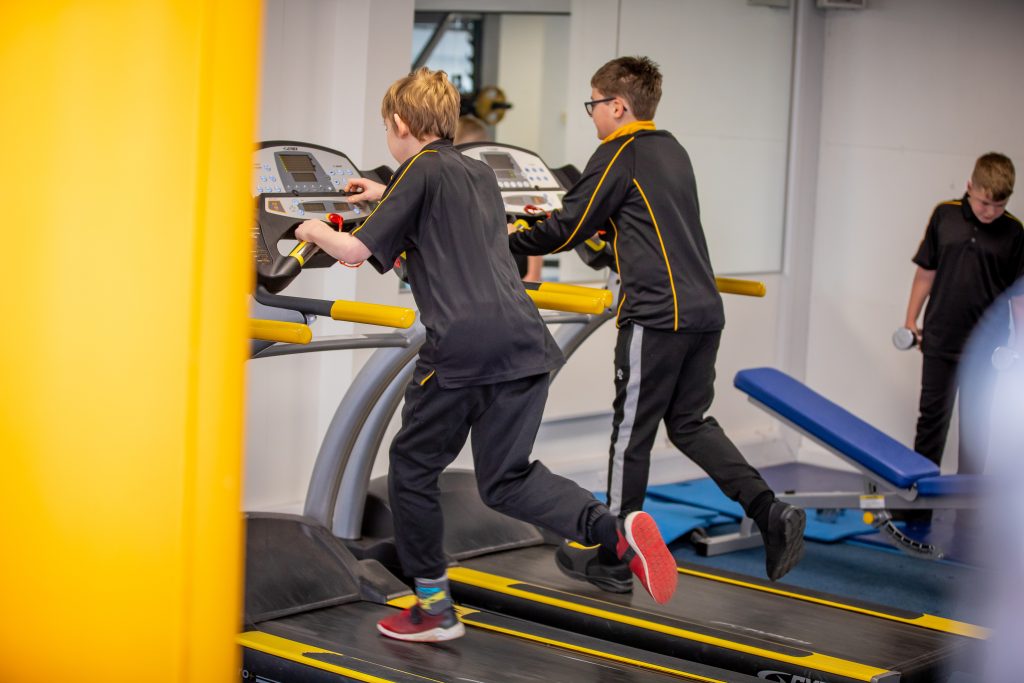
Weavers Academy is well‑equipped with high‑quality facilities that enrich the curriculum. These include multiple football pitches, a large sports hall with five badminton courts and a basketball court, access to a table tennis hall, and a modern, fully equipped fitness suite. The availability of both indoor and outdoor spaces allows for a diverse and adaptable programme that can accommodate all students, regardless of ability or interest. The academy also benefits from strong partnerships with local sports clubs, providing students with further opportunities to train and develop in specialist environments.
Overall, the PE curriculum at Weavers Academy is designed to inspire, challenge and empower students, promoting Independence, Engagement, Respect, Productivity and Determinations as foundations for lifelong participation in physical activity.
Key Stage 3:
| Key Stage 3 Core PE |
| Curriculum intent: During key stage 3, students become more expert in their skills and techniques, and learn how to apply them in different activities. They build upon their understanding of what makes an effective performance and how to apply these principles to their own and others’ work. They learn to take the initiative and make decisions for themselves about what to do to improve performance. They continue to identify the types of activity they prefer, and take a variety of roles, such as leader, coach and official. |
| Assessment Across the year students learn the key techniques and skills across a range of activities, including striking and fielding, net and wall games, invasion games, athletics, gymnastics, and fitness. Within these activities they will be assessed across the following areas using the Head, Heart, Hands model: ● Health in PE – their understanding and application of the importance of health and fitness and how to prepare for and recover from exercise. ● Thinking in PE – their understanding and application of tactics and strategies and how to improve performance. ● Social in PE – their understanding and application of team work, the importance of working as a team and how to support each other in reaching their goals. ● Physical in PE – their understanding and application of skills and techniques and their ability to apply these with control and consistency across a range of activities. |
| Cross curricular links: Maths – Scoring, groupings, analysis of performance (% on target, off target, possession). English – Communication, clarity of instructions. PSHE – Team work, leadership, organisation |
Curriculum Map:
| Autumn 1 | Autumn 2 | Spring 1 | Spring 2 | Summer 1 | Summer 2 | |
| Year 7 Boys | Rugby | Endball |
OAA Team Building Picketball |
Athletics Cricket |
||
| Year 7 Girls | Rugby | Endball |
OAA Table Tennis Sustained Running |
Athletics Rounders |
||
| Year 8 Boys |
Basketball Handball |
Rugby Hockey |
OAA Dance |
Athletics Softball |
||
| Year 8 Girls | Football | Flag football |
Netball Basketball Gymnastics Hockey |
Athletics Cricket Softball |
||
| Year 9 Boys |
Football Flag football |
Trampolining Gym Hockey Tchokball |
Athletics Tennis Hockey Tchokball Fitness |
|||
| Year 9 Girls |
Volleyball Trampolining Futsal Netball |
Health and Fitness Dance |
Athletics Softball |
|||
Key Stage 4:
KS4 Core PE
Curriculum intent: In Key Stage 4 students become more independent and take more control over their roles and responsibilities in lessons and activities across a range of activities. Tackling more complex and demanding physical activities and get involved in a range of activities that develops personal fitness and promotes an active, healthy lifestyle. Year 11 will engage in physical activity however are unassessed due to catch up classes and extra revision time during their final year.
Assessment: Year 10 to begin grading system using the PRIDE criteria and again are awarded grades using medals (Bronze, Silver and Gold). Each term students are awarded a medal based on each aspect of PRIDE:
- Productivity – I keep going even when things are difficult.
- Respect- I Care how my words and actions affect others
- Independence- I’m self motivated and take responsibility for my own success
- Determination- I have the mentality to be successful and never give up
- Engagement- I play an active part in my learning and make this community a great place to be
Curriculum Map:
| Autumn | Spring | Summer | |
|---|---|---|---|
| Year 10 |
Option Pathways
|
||
| Year 11 | |||
GCSE PE
GCSE Edexcel In GCSE Physical Education (PE) the specification has been designed to allow learners to study PE in an academic setting.
Assessment: 60% of the course is assessed through two 60-minute exams. In theory lessons, students investigate the link between physical activity and health, and how athletes adapt physically and mentally to the changing sports environment. The course requires students to underpin their practical performances with theoretical knowledge of the anatomical, physiological and psychological demands of physical activity, and how to make decisions about what to do in their own fitness and training.
30% is based on developing their practical performance in three sports, to a high level of performance. Practical lessons will cover a range of different sports before three sports are chosen to be assessed in. These will be a combination of individual and/ or team sports. Students are expected to attend lunchtime and after-school clubs each week to support their practical performance development over the two years of the course.
| Components | Detail | Assessment |
|---|---|---|
|
Component 1 Fitness and Body Systems |
Applied anatomy and physiology Movement analysis Physical training |
1 hour and 45 minutes 90 marks 36% |
|
Component 2 Health and Performance |
Health, fitness and wellbeing Sports psychology Socio-cultural influences |
1 hour and 15 minutes 70 marks 24% |
|
Component 3 Practical Performance |
One Team Activity One Individual Activity One of either option |
105 marks 30% |
|
Component 4 Personal Exercise Programme (PEP) |
Analysis of proposed PEP Carrying out and monitoring the PEP Evaluation of the PEP |
20 marks 10% |
Curriculum Map:
| Autumn 1 | Autumn 2 | Spring 1 | Spring 2 | Summer 1 | Summer 2 | |
|---|---|---|---|---|---|---|
| Year 10 |
The structure and function of the musculo-skeletal system The structure and function of the cardio-respiratory system |
Anaerobic and Aerobic energy systems Movement Analysis Health, Fitness and Training |
How to optimise training, prevent injury and prepare for exercise Use of data Health, Fitness and Training |
Personal Exercise Programme (PEP) | Personal Exercise Programme (PEP) |
Personal Exercise Programme (PEP) End of Year assessments |
| Year 11 |
Sports psychology Practical Assessment Preparation |
Socio-cultural influences Practical Assessment Preparation |
Anatomy and Physiology recap Practical Assessment |
Anatomy and Physiology recap Practical Assessment |
Revision and Exams | Revision and Exams |
NCFE PE
NCFE Level 1 / 2 Technical Award in Health and Fitness Over the duration of the course students cover the following information within two units:
● Understand and identify the main body systems and their functions
● Understand the Principles of Training and FITT
● Explore how physical activities affect the body in the short- and long-term
● Understand how relevant fitness test can be used for specific health and skill components of fitness
● Understand different lifestyle analysis tools and how to apply them.
● Create a Health and Fitness programme.
Assessment:
The qualification has 2 assessments externally set by NCFE: one non-exam assessment and one written exam assessment. Only 1 attempt at each assessment is permitted.
Curriculum Map:
| Autumn 1 | Autumn 2 | Spring 1 | Spring 2 | Summer 1 | Summer 2 | |
|---|---|---|---|---|---|---|
| Year 10 | Unit 1 | Unit 1 | Unit 1 | Unit 1 | Unit 1 | Unit 1 |
| Year 11 | Unit 2 | NEA | Exam Revision | Exam Revision | Exam Revision |
Key Stage 5:
Core PE
Curriculum intent: Our Key Stage 5 Core PE curriculum aims to promote lifelong participation in physical activity by developing students’ confidence, competence, and enjoyment in a broad range of sports and fitness opportunities. Through student‑led choice, inclusive practice, and guided reflection, learners build personal wellbeing, resilience, and healthy habits that support academic success and future adulthood. The curriculum prioritises physical literacy, social connection, leadership, and informed decision‑making, enabling students to understand the value of activity for physical, mental, and emotional health. Ultimately, our intent is to empower all students to pursue active, balanced, and fulfilling lifestyles beyond school in their futures.
Curriculum Map:
| Autumn | Spring | Summer | |
|---|---|---|---|
| Year 12 |
Pupil Driven Options
|
||
| Year 13 | |||
Level 3 BTEC National Extended Certificate in Sport
In year 12 and 13 students study the level 3 BTEC National Extended Certificate which is the equivalent of 1 A-Level. Assessment is a 1.5 hour written paper and controlled assessment units including Anatomy and Physiology, and Fitness training. All other units are assessed internally through coursework and practical based evidence
Assessment:
Unit 1- Anatomy and Physiology (External)
Unit 2- Fitness Training and Programming for Health, Sports and well-being (External)
Unit 3- Professional Development in the Sports Industry (Internal)
Unit 5- Application of Fitness Testing (Internal)
| Autumn 1 | Autumn 2 | Spring 1 | Spring 2 | Summer 1 | Summer 2 | |
|---|---|---|---|---|---|---|
| Year 12 | Unit 1: Anatomy and Physiology | Unit 1: Anatomy and Physiology | Unit 5: Application of Fitness Testing | Unit 5: Application of Fitness Testing | Unit 5: Application of Fitness Testing | Unit 2: Fitness Training and Programming for Health, Sport and Well-being |
| Year 13 | Unit 2: Fitness Training and Programming for Health, Sport and Well-being | Unit 3: Careers in Sport | Unit 3: Careers in Sport | Unit 3: Careers in Sport |
Unit 1: Anatomy and Physiology Unit 2: Fitness Training and Programming for Health, Sport and Well-being |
Student Leadership:
Leadership is part of every lesson in PE and students are encouraged to develop their confidence and leadership skills from KS3. Student leaders also have the opportunity to work with primary schools in the community.
Curriculum Enhancement:
Where possible throughout the year fixtures and tournaments will take place for some of the activities that we cover, students will be involved in the delivery of tournaments hosted at the school, including Primary School Tournaments. Other events will be offered for students to participate in such as CET Day of Sport, House events and Sports Day as the final event of the year for their House. Trips such as the School Ski Trip or to live sporting events will be arranged throughout the year, depending on cost and interest.